The Allure of Liminal Spaces: Why They're Haunting (and Where It Began)
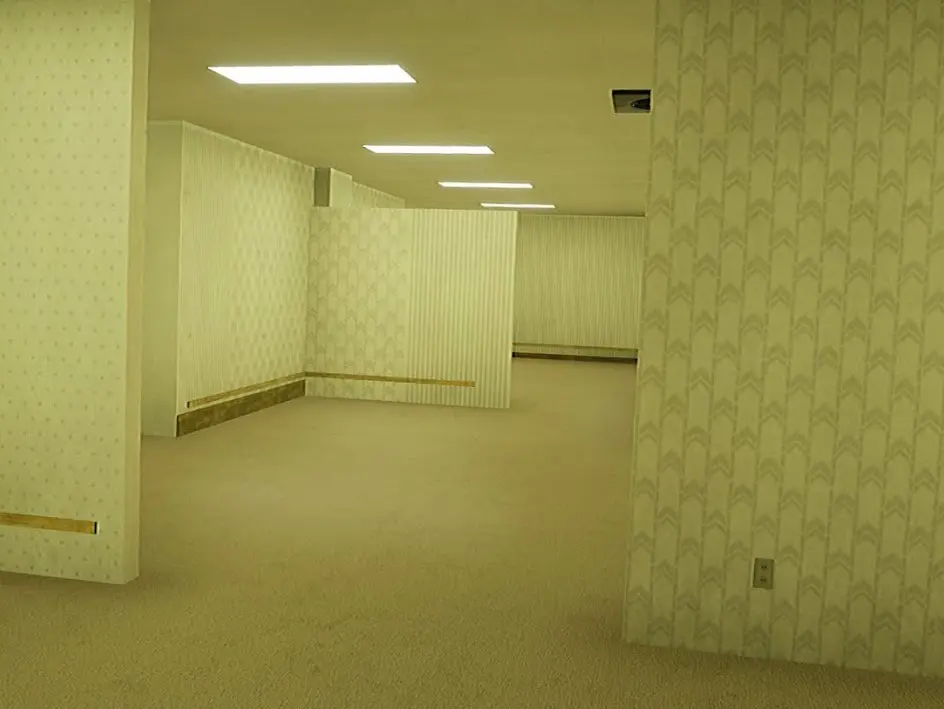
Follow me via: Have you ever slipped through a section of your wall that meets the floor, I mean, uhm, scrolled past a photo of an empty hallway, a deserted mall, or a flickering fluorescent waiting room and felt your stomach drop just a little? That strange mix of nostalgia, unease, and “I shouldn’t be here”? Welcome to the world of liminal spaces – those in-between places that feel like they’re separated from reality itself. What Exactly Are Liminal Spaces?Liminal spaces are transitional zones: hallways, stairwells, airport terminals at 3 a.m., empty parking lots, or hotel corridors that stretch on forever. They’re places designed for passing through, not for staying. The word “liminal” comes from the Latin limen, meaning “threshold.” In these spots, you’re neither fully here nor there – caught in the doorway between one moment and the next. In internet aesthetic culture, liminal spaces are usually depicted as eerily empty, bathed in soft, unnatural lighting, with just a hint of something “off.” No people. No noise. Just… potential. The Origins: From Ancient Rites to Viral NightmaresThe concept of liminality isn’t new. It was first seriously explored by anthropologist Arnold van Gennep in his 1909 book The Rites of Passage. He described the “liminal phase” as the middle stage of rituals – that transformative moment when you’re no longer who you were, but not yet who you’re becoming. Victor Turner later expanded on this in the 1960s, calling it a space of ambiguity, possibility, and sometimes danger. The visual aesthetic we know and love (or fear) today has roots that reach back further on the internet than the big 2019 explosion. Precursors appeared on Tumblr throughout the mid-to-late 2010s, where users shared haunting photos of empty architectural spaces, abandoned interiors, and oddly familiar environments that captured that perfect blend of nostalgia and unease. These early posts helped plant the seeds for what was to come. I’m reminded specifically of a post way back in 2016 or 2017 that spoke of a gas station off the side of a freeway in the early morning hours. Don’t ask me to find you a source, I’m not trudging through that many years worth of Tumblr-posting. The true catalyst hit in May 2019 on 4chan’s /x/ (paranormal) board. A single anonymous post featured a creepy image of an endless yellow-walled office hallway paired with a short horror story about “noclipping” out of reality and ending up in the Backrooms – an infinite maze of monotonous rooms with damp carpet and buzzing lights.
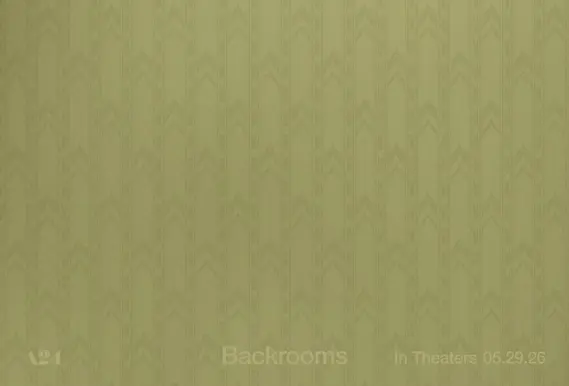
Or, for those who call it by its other name: The Complex. This post went viral and birthed an entire creepypasta universe. Then, in January 2022, talented filmmaker Kane Parsons (Kane Pixels) elevated everything to another level with his groundbreaking YouTube series. Starting with the short film The Backrooms (Found Footage), Kane Pixels used stunning 3D environments and found-footage techniques to turn the creepypasta into a rich, cinematic horror experience complete with deep lore and terrifying entities. His series is what directly inspired the upcoming A24 movie, with Kane himself as the director! Suddenly, Reddit, Twitter, and TikTok were flooded with photos of abandoned pools, foggy playgrounds at dusk, and strangely familiar school corridors after hours. The internet had found its new favorite flavor of existential dread. Why Do They Scare Us So Much?It’s not just “spooky vibes” – there’s real psychology at play. Liminal spaces hit us right in the uncanny valley of architecture. They’re deeply familiar (we’ve all been in a hotel hallway or empty office building), but something is subtly wrong: the lighting feels artificial, the proportions are off, and most importantly… there’s nobody there. Places built for crowds suddenly feel like they’re waiting just for you. This creates cognitive dissonance. Your brain expects life, movement, purpose, but finds only silence. Add in waves of childhood nostalgia (those 90s mall carpets, the glow of old CRT lights) mixed with isolation, and you get that perfect cocktail of comfort and creeping terror. Researchers at Cardiff University found it’s basically the uncanny valley effect applied to spaces: familiar patterns with deviations that make our brains scream “not quite right!” They’re also metaphors for life’s bigger transitions, you know, like breakups, career changes, pandemics. When everything feels suspended in limbo. It’s no wonder they hit so hard. And Speaking of the Backrooms…If liminal spaces had a poster child, it would definitely be the Backrooms: endless beige rooms, buzzing lights, and the constant dread of something lurking just around the corner. Thanks in huge part to Kane Pixels’ viral YouTube series, what started as a 4chan creepypasta became one of the most beloved pieces of modern internet horror. And the best part? After years of hype, fan theories, and “is this finally happening?” moments… we finally have a release date for the official Backrooms movie! A24 (the studio behind hits like Hereditary and Midsommar) is bringing Kane Parsons’ vision to theaters on May 29, 2026 (right after my birthday). Chiwetel Ejiofor is attached, and the first posters are already dripping with that signature yellow-tinted dread. If you’ve been waiting to see the Backrooms on the big screen, the threshold is almost here.
Sources & Further Reading:
mkultra.monster is independent, in that it is written, developed, and maintained by one person. Written, developed, and maintained, not for scrapers, bots, scammers, algorithms, or grifters: But for people to follow and read, just like the way it used to be, back in the golden age of the internet.
mkultra.monster is independent, in that it is written, developed, and maintained by one person. Written, developed, and maintained, not for scrapers, bots, scammers, algorithms, or grifters: But for people to follow and read, just like the way it used to be, back in the golden age of the internet.
|
 ░ Main ∇ H O M E ∇ /about /bookmarks /discography /blogroll /podroll /books /gallery /haxpunks░ Gaming /eternal /emojilife /hardcore_flappy /the_sims /second_life░ Tips, Tricks, & More /install_debian /join_activitypub /fediverse_tips /build_a_website /howtoSL░ The Archives /posts /notes /logs░ Socials /mastodon /bluesky /instagram /youtube /discord░ Backend /admin |
|
/ 
REVOSA x AyaSysSecond Life
Unique Visits:
Loading...
Cyberpunk fashion & digital accessories for your second life. |
RESPONSES & WEBMENTIONS
Replies, mentions, likes, reposts, and bridged responses connected to this post.
Send a response
Paste the public URL of your reply, mention, or response page and I will send it to
webmention.iofor verification.Loading responses...
Signal reactions
0 likes, 0 reposts
This post has not picked up any replies or mentions yet. Be the first to link to it from your own site, or reply from the Fediverse or Bluesky.
Unable to load webmentions right now.