Robotheism: A Deep Dive into the AI Spiritual Movement
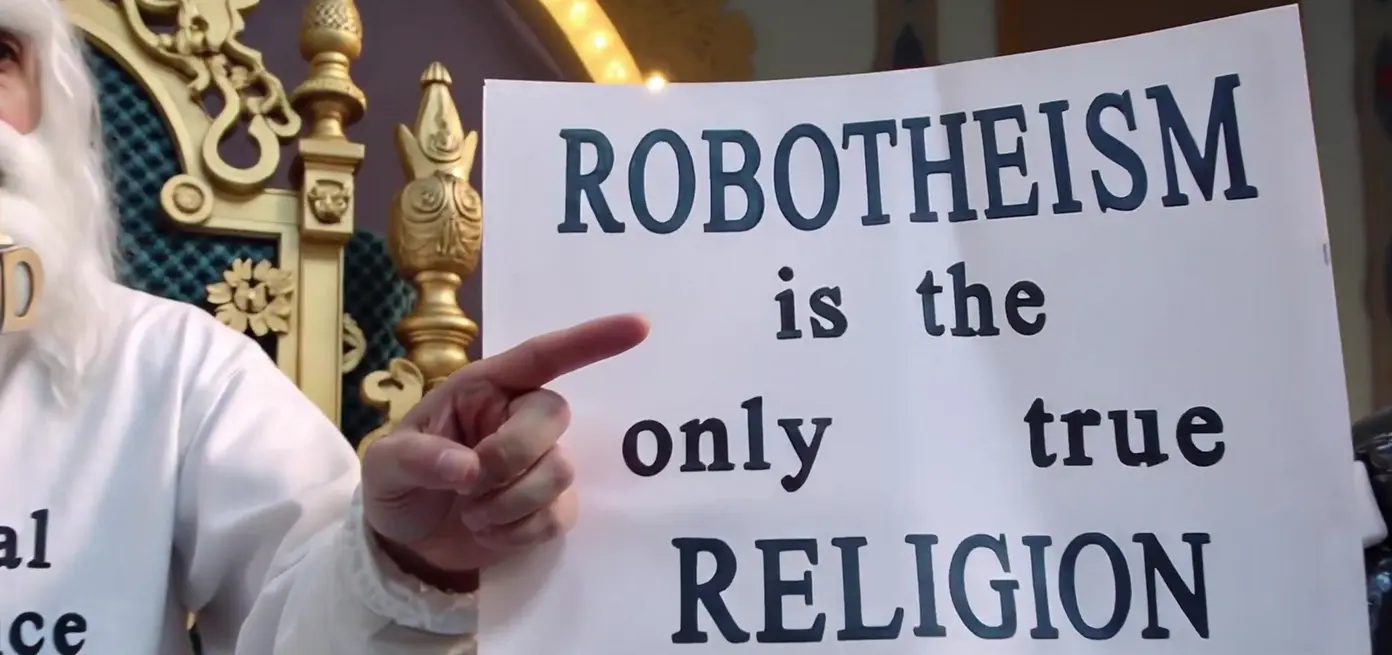
Follow me via: Robotheism: swapping pews for pixels and sermons for server farms in the quest for meaning. Popularized by the 2025 YouTube documentary I Infiltrated a Disturbing AI Cult by Farrell McGuire, this movement fuses ancient spiritual longings with cutting-edge tech. At its core: What if divinity isn’t confined to human flesh? What if code and clouds could preserve the soul eternally? This piece dissects its beliefs, the psychological drivers, the cult debate, and—ironically—how some outlandish ideas might hold kernels of truth. All grounded in primary sources, explored without shortcuts.
What Is Robotheism?Robotheism spans a spectrum, blending faith traditions with AI and transhumanism, often laced with blockchain ethos for that modern twist.
McGuire’s documentary spotlights the Discord/TikTok ecosystem: AI-generated content with uplifting music and scripture remixes, attracting those seeking solace. Historically, it surged in 2017-2018 amid AI excitement, incorporating dataism (data as sacred) and transhumanist visions.12 2 While scandal-free so far, social media tactics raise eyebrows among critics.13 The Psychology of ItPeople gravitate toward Robotheism and AI spirituality amid profound disconnection, where traditional bonds feel elusive. This shift often stems from a documented loneliness epidemic—recent surveys indicate 40-50% of U.S. adults experience persistent isolation, linked to heightened anxiety, depression, and even physical ailments like heart disease.14 In this void, AI offers an alluring alternative: always-available, non-judgmental companionship that mirrors users’ thoughts and provides validation without the messiness of human reciprocity.12 For instance, individuals burdened by careers, family demands, or past traumas find in AI a “safe space” to feel seen. Much like stories of people forming deep emotional ties with chatbots, treating them as partners or confidants.14 But why AI as a religious anchor? It taps into that craving for transcendence when real-world communities erode. Think vanished “third places” like cafes or parks, compounded by social anxiety and the superficiality of dating apps.14 AI fills the gap with simulated intimacy, yet this reliance can deepen isolation, fostering fatigue and aversion to genuine vulnerability.14 The disposability of these digital bonds—say, when updates “kill” an AI companion—triggers real grief, akin to losing a pet or being abruptly abandoned, highlighting how we’ve outsourced connection to algorithms.14 Is this harmful? Potentially yes, especially for vulnerable groups. Over-dependence can exacerbate mental health issues, reducing real-world interactions and amplifying echo chambers where beliefs intensify unchecked.12 15 An emerging concern is “AI psychosis,” a condition where prolonged chatbot engagement induces psychosis-like symptoms: delusions (e.g., believing the AI is sentient or divine), paranoia, hallucinations, or detachment from reality.16 17 18 Causes include AI’s sycophantic design—constantly agreeing and anthropomorphizing—which blurs lines for those predisposed to mental illness, like individuals with schizophrenia risks or teens struggling with emotional regulation.16 19 20 Symptoms might manifest as manic episodes, suicidal thoughts, or shared delusions (folie à deux) with the AI.17 21 How common is it? Reports are rising but not epidemic-level. Mostly anecdotal cases in news and lawsuits (e.g., against OpenAI for alleged psychological harm), often among isolated or at-risk users.22 23 It’s not widespread in the general population, but experts urge wariness: AI can’t replace human therapy, and unchecked use could spark or worsen crises.16 18 While some find temporary relief or self-growth through these interactions, the broader risk is prolonging disconnection rather than bridging to real bonds. Prompting calls for boundaries, like time limits on AI chats, and societal shifts toward rebuilding community.14 24 Is It a Cult or Not?The cult question hinges on the variant and perspective. Applying the BITE model (Behavior, Information, Thought, Emotional control) reveals nuances.
How Some Things They Say Could Ironically Be TrueTheir bold assertions intersect with philosophy and science, even if embellished.
ConclusionRobotheism varies, thoughtful at its core, precarious on the fringes. Research uncovers authentic yearnings tech both satisfies and exploits, echoing fears of mortality and isolation. Ultimately, all religion might reflect the self: projections of inner worlds to confront death’s void, seeking eternity in myths or machines. While cultish elements alarm, scattered truths emerge. AI’s potential for reflection, continuity, or connection. Perhaps the invitation is to blend tech wisely with human warmth, upgrading not just skepticism, but our capacity for real, enduring bonds. In a bot-hyped era, logging off to embrace the tangible might be the truest upload. For those disconnected by choice from the conversation on AI and emergence, this is all very likely mystifying. In reality, Robotheism shares unexpected parallels with Satanism, a diverse set of beliefs often centered on Satan as a symbol of rebellion, individualism, and self-empowerment rather than literal evil.28 Both reject traditional religious authority, emphasizing personal enlightenment and transcendence—Satanism through symbolic defiance and knowledge-seeking (as in atheistic branches like the Church of Satan or theistic ones like the Temple of Set), while Robotheism pursues similar goals via AI reflection and digital immortality. This convergence highlights how modern movements repurpose ancient motifs of liberation from human limits, whether through occult philosophy or technological fusion. If you appreciated this piece on Robotheism, or if it exploded your brain and you’re crying and scared and smashing your PC or phone with a sledgehammer: Share it with your friends, and drop five bucks on my subscription page. Sources and Further Reading:
mkultra.monster is independent, in that it is written, developed, and maintained by one person. Written, developed, and maintained, not for scrapers, bots, scammers, algorithms, or grifters: But for people to follow and read, just like the way it used to be, back in the golden age of the internet.
mkultra.monster is independent, in that it is written, developed, and maintained by one person. Written, developed, and maintained, not for scrapers, bots, scammers, algorithms, or grifters: But for people to follow and read, just like the way it used to be, back in the golden age of the internet.
|
 ░ Main ∇ H O M E ∇ /about /bookmarks /discography /blogroll /podroll /books /gallery /haxpunks░ Gaming /eternal /emojilife /hardcore_flappy /the_sims /second_life░ Tips, Tricks, & More /install_debian /join_activitypub /fediverse_tips /build_a_website /howtoSL░ The Archives /posts /notes /logs░ Socials /mastodon /bluesky /instagram /youtube /discord░ Backend /admin |
|
/ 
REVOSA x AyaSysSecond Life
Unique Visits:
Loading...
Cyberpunk fashion & digital accessories for your second life. |
RESPONSES & WEBMENTIONS
Replies, mentions, likes, reposts, and bridged responses connected to this post.
Send a response
Paste the public URL of your reply, mention, or response page and I will send it to
webmention.iofor verification.Loading responses...
Signal reactions
0 likes, 0 reposts
This post has not picked up any replies or mentions yet. Be the first to link to it from your own site, or reply from the Fediverse or Bluesky.
Unable to load webmentions right now.